Brake Repair Bloomington Mn

nicklawson311 • August 20, 2018
Brake Discs | Autopia Auto Repair - Bloomington

An automobile’s brake system is very complex and plays a critical role in keeping you safe. It’s always a good idea to have general knowledge of all the working parts of your vehicle. This will help you know what warning signs to look for, as well as any preventative maintenance you can take care of on your own.

How Brakes Work:


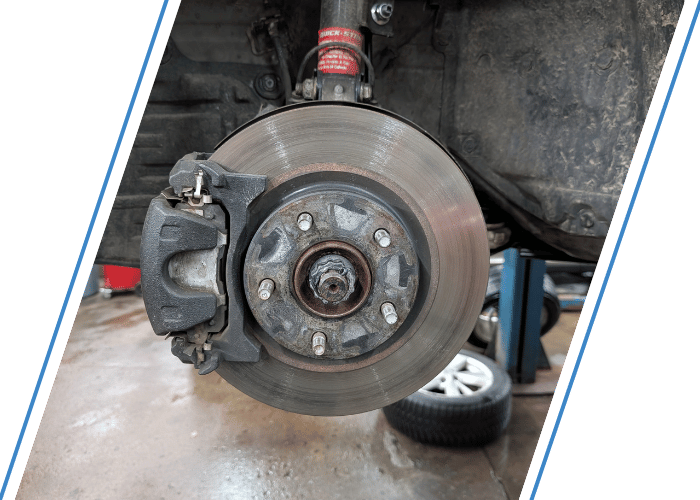
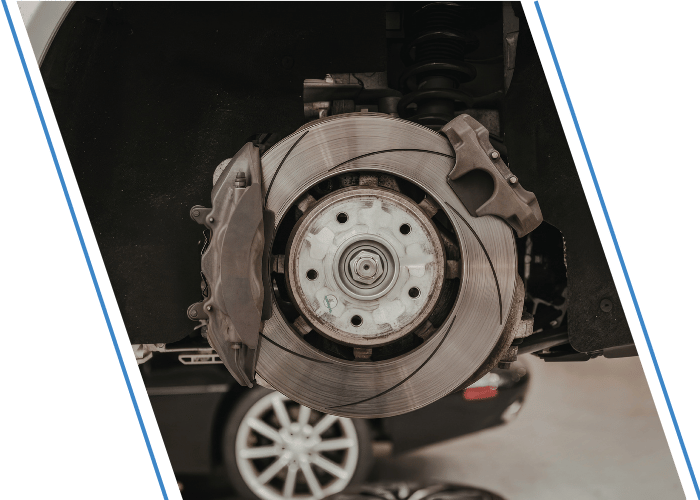
The braking system of a vehicle is made up of several parts. Beginning with the pedal, which is a strong lever made of steel. When compressed the pedal activates the master cylinder, which is comprised of a piston and brake fluid reservoir. The movement of the piston sends brake fluid into the brake lines, which then flows through the wheel cylinder or caliper. The pressure applied to the brake pedal directly correlates with the stopping force that is applied at the wheels and brake pads through hydraulic pressure, which creates friction against the brake pads.

Additionally, most of the newer manufactured vehicles use electronic sensors and high-pressure pumps known as an Anti-lock Brake System.


Brake Warning Signs:


Pay attention to the Brake Warning Signs in your vehicle. If any of the following indicators occur, most likely it is time for a brake repair:


  • Brake pedal is slow to respond or requires lots of pressure to respond
  • Grinding or squealing noise when pressing brake pedal.
  • Dashboard light for brakes, typically ABS, is on or blinking
  • Vehicle shakes when brakes are engaged
  • Vehicle tends to pull to one side when braking
  • Leaking fluid
  • Burning smell when driving


Preventative Maintenance:


There are measures you can take towards preventative maintenance to help brakes last longer.


  • Use a quality wheel cleaner that is safe for the wheel finish of your vehicle. This will also help clean the brakes, allowing them to work better and maintain lower temperatures
  • Avoid the temptation of “riding” your brakes. Ideally you should moderately slow down and release your brakes, allowing them to cool which prevents overheating.
  • When possible, downshifting enables the vehicle engine to do some of the braking rather than the braking system. Using this feature on steep graded roads, when roads are clear of ice, snow or rain, will help prolong the age of your brakes.


Brake Inspection:


An annual brake inspection is always a good rule of thumb. It provides you the opportunity to have small repairs detected early on, which could not only save money but also prevent bigger problems from arising.


Brake inspections include the following checks:


  • Fluid condition
  • Hoses
  • Brake Pads
  • Calipers
  • Rotors and/or Drums
  • Wheel Cylinders
  • Parking Brake Cables
  • Wheel Bearings and Grease Seals
  • Master Cylinder Fluid Exchange
  • Hardware including springs and adjusters


Summary:


The braking system of any vehicle is a key factor in keeping the driver and passengers safe. Regular maintenance and inspection is highly recommended. Brakes are one of the prime examples of “snowball” repairs. Brakes are one of the most complex and hardest working components of a vehicle. If not checked, extensive damage could occur, resulting in the repairs costing much more in the long run.


Why Mazda Cars Can Lose Smooth Acceleration Without Warning Signs - Autopia Auto Repair
By nicklawson311 May 29, 2026
Smooth acceleration depends on how efficiently the engine responds to driver input. In Mazda vehicles, this response can slowly change as small internal shifts develop over time.
Why Chevrolet Vehicles Experience Gradual Fuel Delivery Imbalances - Autopia Auto Repair
By nicklawson311 May 28, 2026
Оver time, many Chevrolet vehicles begin developing gradual fuel delivery imbalances that affect performance in subtle ways before becoming more noticeable.
How Honda Vehicles Develop Long-Term Engine and Transmission Stress - Autopia Auto Repair
By nicklawson311 May 28, 2026
Even reliable vehicles gradually develop engine and transmission stress over time. These changes often happen slowly and quietly, making them easy to overlook in the early stages.
How Chevrolet Vehicles Respond to Long-Term Road Condition Stress - Autopia Auto Repair
By nicklawson311 May 22, 2026
Chevrolet vehicles are built to handle a wide range of driving environments, from smooth highways to rough city roads. Over time, however, even well-built vehicles begin to show the effects of long-term road condition stress.
What Causes Nissan Vehicles to Develop Intermittent Performance Changes - Autopia Auto Repair
By nicklawson311 May 22, 2026
While Nissan models are generally reliable, intermittent performance issues are usually not caused by a single failure. Instead, they develop from small inconsistencies across multiple systems that only appear under certain conditions.
Why Toyota Vehicles Develop Performance Changes Even With Regular Use - Autopia Auto Repair
By nicklawson311 May 22, 2026
While these vehicles are built to last, every car still experiences gradual performance shifts over time—even with regular use and proper maintenance.
What Leads to Progressive Changes in Vehicle Operation Over Years - Autopia Auto Repair
By nicklawson311 May 15, 2026
Progressive changes in vehicle operation are normal—but they are not random. They are the result of long-term wear, habits, and environmental stress working together.
Why Consistent Car Service History Matters for Long-Term Vehicle Reliability - Autopia Auto Repair
By nicklawson311 May 15, 2026
A well-serviced vehicle tends to stay stable, while one with gaps in care often shows early signs of wear and performance decline.
Why Modern Vehicles Require More Than Basic Maintenance - Autopia Auto Repair
By nicklawson311 May 15, 2026
Cars today are more advanced than they were even a decade ago. Modern vehicles are packed with technology designed to improve safety, fuel efficiency, performance, and comfort.
Why Excessive Idling Can Reduce Engine Efficiency Over Time - Autopia Auto Repair
By nicklawson311 May 8, 2026
While idling occasionally is normal, frequent or prolonged idling creates operating conditions that are not ideal for modern engines.